Quick answer
A semi permanent makeup consultation helps you discuss your preferences, previous treatment and individual suitability before deciding on a procedure. Brows, lip blush and eyeliner involve different choices, so begin with the area and concern you want to discuss. A consultation should explain the proposed approach, its limitations and the care arrangements.
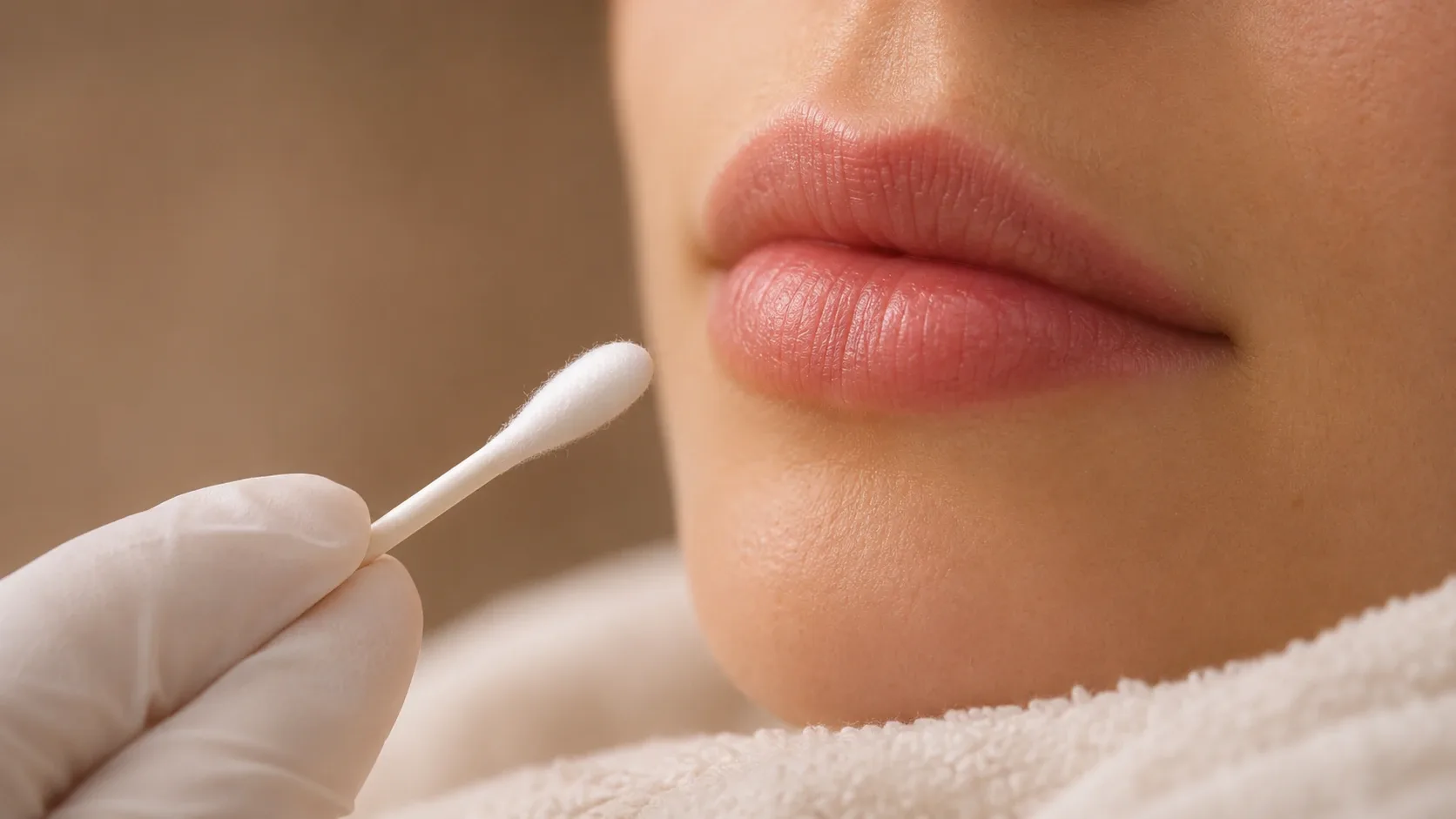
Do not choose a procedure from a photograph alone. Our photographs are generated illustrations and cannot show how treatment would look on you.
Before deciding, ask about:
- The look you want and what is realistic.
- Relevant previous pigment or cosmetic treatment.
- The practitioner, proposed method and individual suitability.
- Risks, limitations, follow-up and personalised aftercare information.
What do you want to discuss first?
Start with the area that interests you and what you hope to understand. You might want to discuss brow definition, lip colour or an eyeliner option. However, interest in a service does not establish that it is suitable for you.
Explain your preferences in ordinary language. For example, you may want to understand how a proposed brow style relates to the look you already wear. You do not need to arrive with a technical description or a finished design.
Then ask the practitioner to explain the options relevant to that conversation. A useful consultation connects your preferences with individual assessment, rather than treating a popular service name as a ready-made answer.
How should you describe a preferred result?
Describe what you like and what you would prefer to avoid. This can be more informative than asking for a vague natural look, because people can mean different things by the same word. Therefore, explain the features that matter to you.
Reference images may help communicate a preference, but they do not guarantee an identical result. Ask the practitioner what the image can usefully illustrate and what does not translate directly to your circumstances. Avoid treating a photograph as a promised outcome.
You can also describe your usual make-up routine. However, the consultation should distinguish a temporary cosmetic preference from a proposed pigmentation procedure. Take time to understand that difference before deciding whether the approach fits what you want.
Why does previous pigment need discussion?
Tell the practitioner if you have had previous brow, lip or eyeliner pigmentation, even when you are uncertain about the details. The existing area needs individual consideration. Do not assume that choosing a new technique means earlier work is irrelevant.
If you have records from a previous appointment, ask how to share them through the consultation process. State any gaps in your information clearly. Guessing a method or product name can make the discussion less accurate.
Also, avoid assuming that a new service will automatically correct or cover earlier pigment. Ask the practitioner what they can assess and what further information they may need. This guide cannot decide suitability, propose a correction plan or predict the outcome of working on an existing area.
Which services can you enquire about?
Our Finchley enquiries include microblading, machine nano brows, powder or ombre brows, lip blush and semi-permanent eyeliner. These are options to discuss, not a menu of equally suitable choices for every person. The consultation should establish what is relevant.
Ask the practitioner to explain any unfamiliar term in plain language. You should understand the proposed method and the reason for discussing it, rather than agreeing because a name sounds appealing. Similarly, a brow method should not be assumed to describe a lip or eyeliner procedure.
Keep the conversation focused on your actual enquiry. If you want to discuss more than one area, say so and ask how the consultation should be arranged. Do not assume that separate procedures belong in one appointment or require the same planning.
What should you ask about the practitioner?
Ask who would perform the procedure and about their relevant training, experience and insurance. Also, clarify who provides follow-up information and handles concerns. Knowing the person’s responsibilities is more useful than relying on a general impression of the clinic.
The NHS guidance on choosing a cosmetic practitioner supports checking these points before deciding. Use it to organise questions alongside the information about your proposed procedure.
If an answer is unclear, request a specific explanation. For example, ask which experience relates to the service you are considering. A consultation gives you a chance to understand the arrangements; you should not feel that asking ordinary questions commits you to treatment.
How do you compare benefits and limitations?
Ask what the proposed procedure aims to achieve and what it cannot promise. You should also understand relevant risks and the uncertainty around the result. A confident description or attractive image does not replace that discussion.
A useful comparison includes:
- Your stated preference.
- The approach proposed after assessment.
- The limitations and possible risks.
- Alternatives, including not proceeding.
- Any further review or appointment arrangements.
Write down anything you want to revisit. Then ask for clarification before making a decision. You do not need to accept a proposal simply because it appears familiar or because somebody else describes a positive experience.
What care and follow-up questions matter?
Ask what personalised information you would receive before and after the procedure. Clarify how the practitioner explains it and whom you should contact with questions. These arrangements belong in the decision, rather than being an afterthought.
Do not use a general blog to choose a preparation or recovery routine. Advice depends on the procedure and your circumstances. If you have a medical concern, use an appropriate healthcare professional rather than relying on website text.
Also, ask about the scheduling implications of the proposed plan. This article cannot promise a fixed healing period or tell you when a particular activity will be appropriate. Explain any commitment that matters to you and request individual advice through the consultation.
How should you plan arrival in Finchley?
Confirm the appointment location and joining information before setting off. Approximate driving times from larger surrounding centres help with broad planning, but traffic, parking and the final walk can add time. Check the current journey rather than treating an estimate as an arrival guarantee.
If you use public transport, include the onward connection or walk from the station. Also, ask about access details if they affect your appointment. A short practical question can remove an avoidable uncertainty before the day.
Use the WhatsApp us button for an initial enquiry. Briefly identify the service or area you want to discuss and ask about consultation arrangements. For sensitive personal information, ask how the team wants you to provide it appropriately.
Frequently asked questions
Can I choose a procedure just from the service name?
The name is a starting point for a discussion. Individual suitability and the proposed plan need a consultation.
Should I mention old pigment if it has faded?
Yes. Tell the practitioner about previous treatment and any uncertainty, then follow the consultation process for sharing records.
Do I have to decide during the first enquiry?
You can begin with questions about consultation arrangements. Take time to understand the information before deciding whether to proceed.